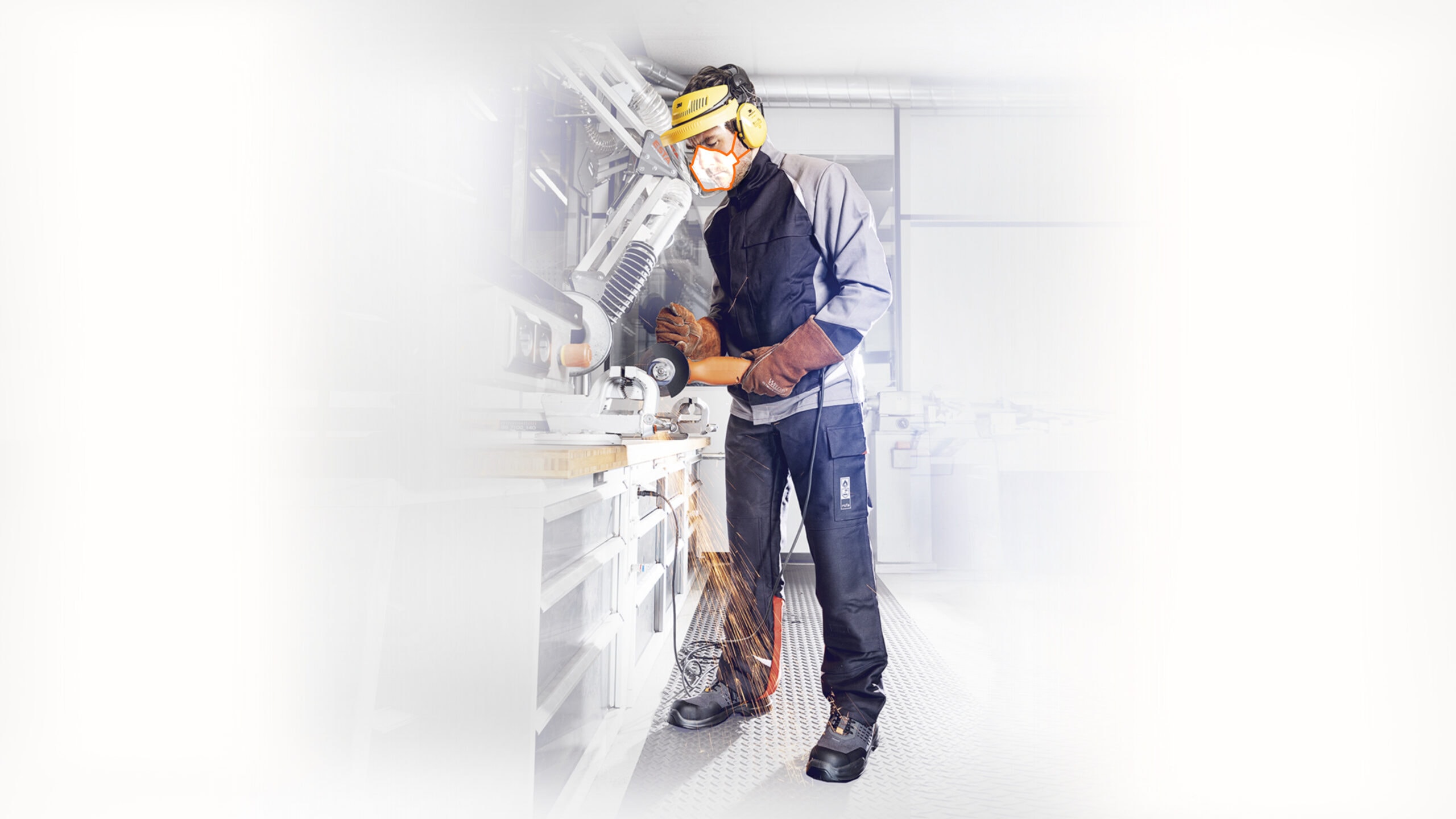
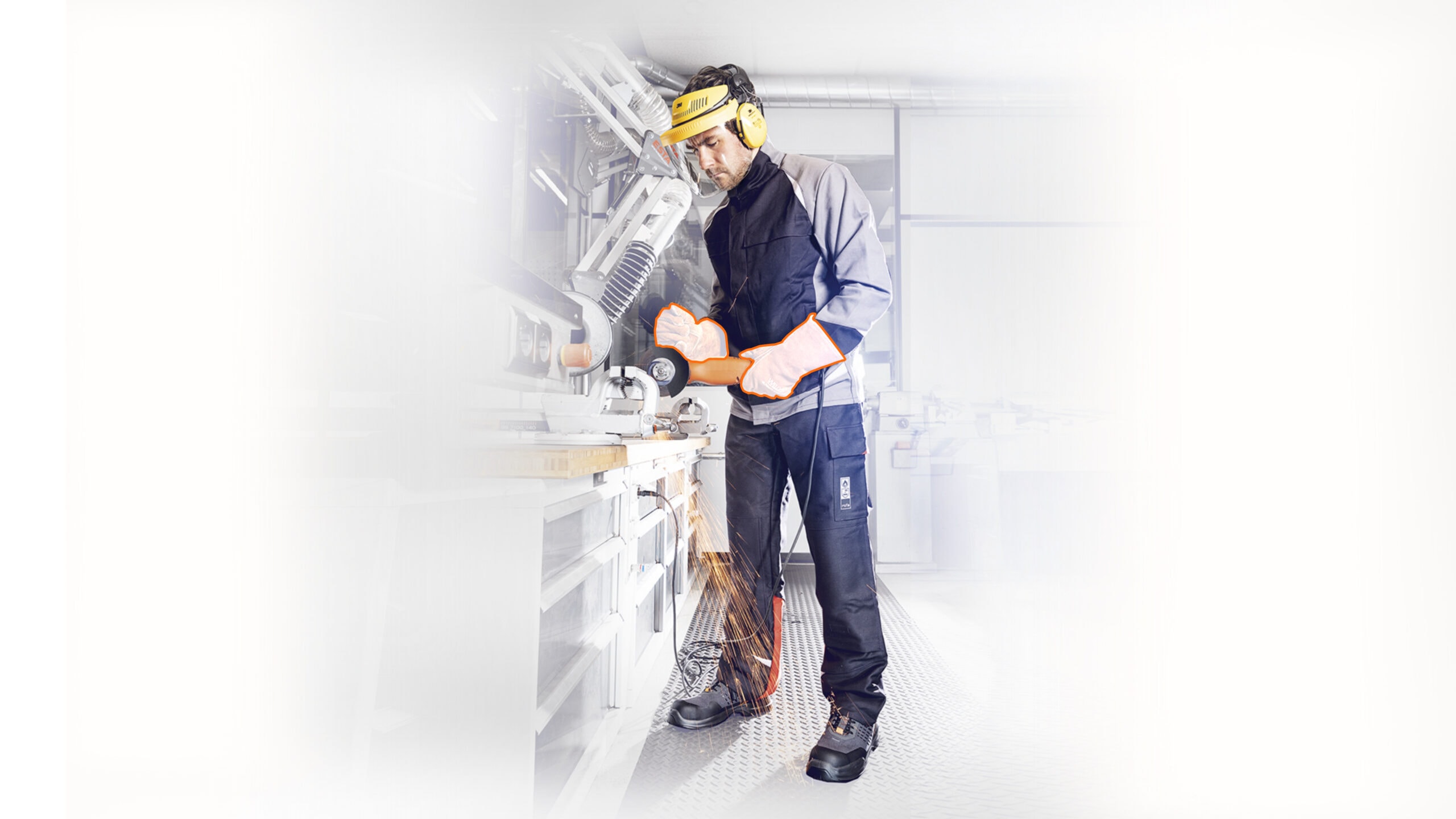
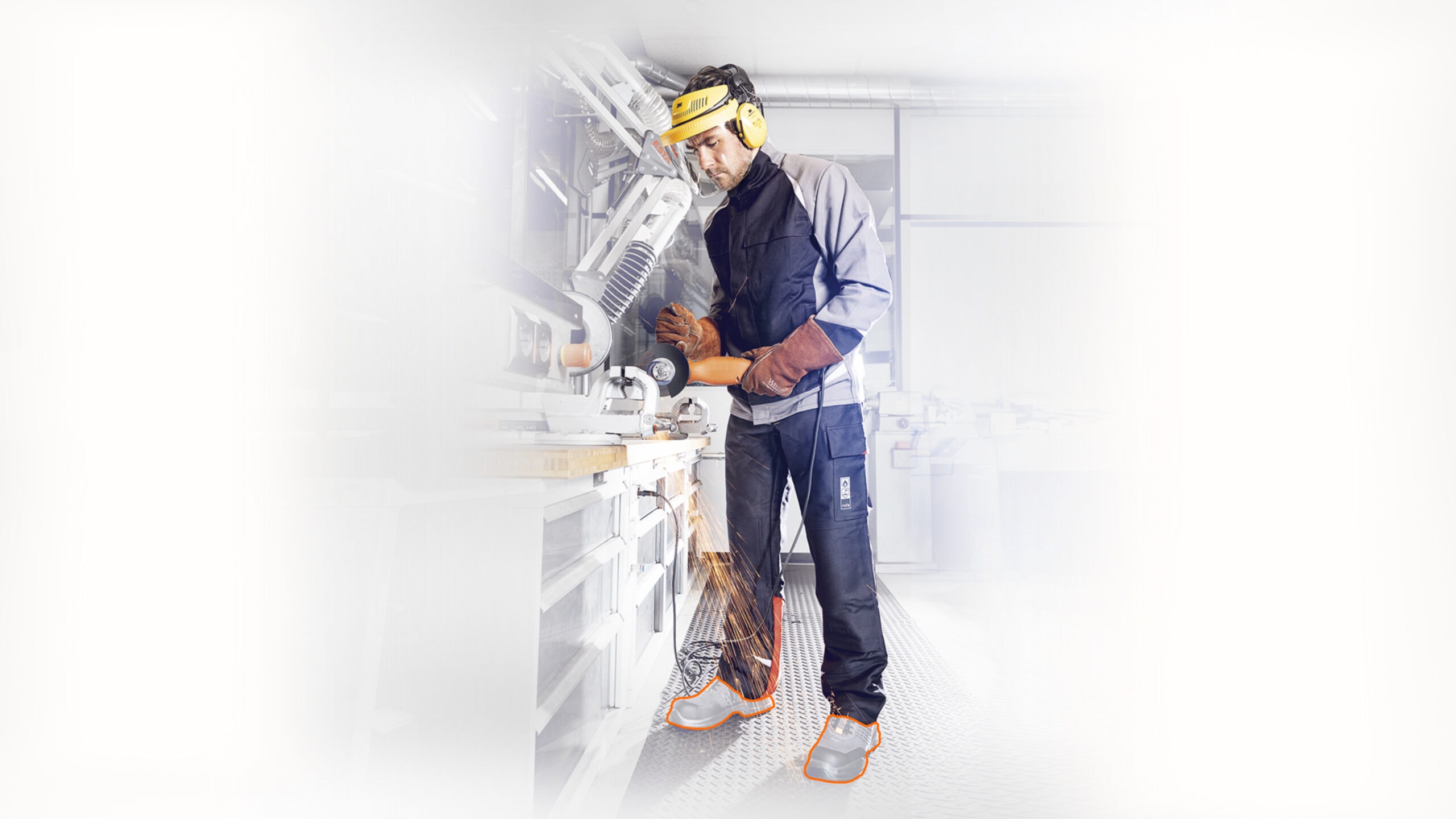
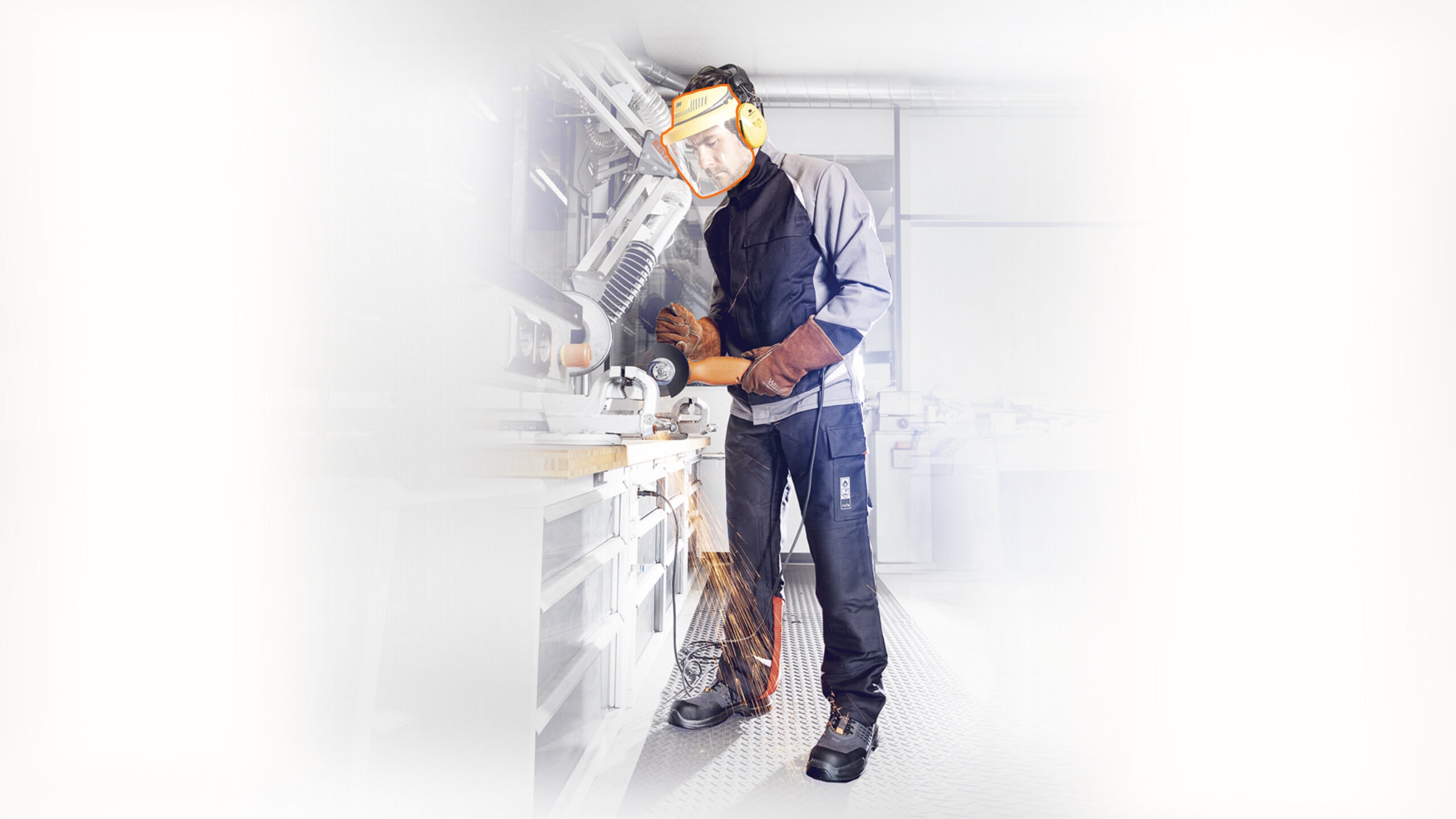
You are currently viewing a placeholder content from YouTube. To access the actual content, click the button below. Please note that doing so will share data with third-party providers.
More Information
You are currently viewing a placeholder content from YouTube. To access the actual content, click the button below. Please note that doing so will share data with third-party providers.
More Information
You are currently viewing a placeholder content from YouTube. To access the actual content, click the button below. Please note that doing so will share data with third-party providers.
More Information
You are currently viewing a placeholder content from YouTube. To access the actual content, click the button below. Please note that doing so will share data with third-party providers.
More Information // SELECTION AID
Full masks
Particle masks
Particle masks

Respirator with blower unit
Half masks
Full masks

Half masks
Full masks
Particle masks

Respirator with blower unit
Respirator with blower unit
Half masks

// SERVICES – Norms and standards
Statutory regulations on breathing protection
Statutory regulations on breathing protection
Respirators are classified as category 3 “Fatal injuries or serious and irreversible damage to health” under the Personal Protective Equipment Directive.
In Germany, the use of respiratory protective equipment is regulated by DGUV (German Social Accident Insurance) regulation 112-190.
Depending on the field of application, devices must also comply with additional statutory regulations.
EN 143 for particle filters
EN 14387 for gas and combination filters
EN 149 for filtering half-face masks for protection against particles
EN 405 for filtering half-face masks with a valve for protection against gases or particles
EN 140 for half-face masks
EN 136 for full-face masks
EN 12941 for powered filtering devices incorporating a hood or helmet
EN 403 for filtering escape devices (e.g. in the event of fire)

// SERVICES – Norms and standards
Special requirements for protective masks
Filter classes and codes on gas masks
Filter class 1: for harmful substance limit values below 0.1 Vol. %
Filter class 2: for harmful substance limit values of 0.5 Vol. %, equating to full-face masks and powered systems
Filter class 3: for harmful substance limit values from 1.0 Vol. % upwards, equating to powered systems or extraction systems.
The colour markings and the letters on the masks also indicate against which types of gas the breathing protection acts. They simplify orientation at the work place.
Some examples:
- “E” in yellow: sulphur oxides, hydrogen chloride and other acid gases
- “Hg” in red: mercury
- “K” in green: ammonia and organic ammonia derivatives
// SERVICES – Norms and standards
Special requirements for protective masks
Filter classes and codes on gas masks
Fine dust particles and aerosols in the breathable atmosphere are practically invisible and thus pose a major health risk in the working environment. According to §2 subparagraph 8 of the Ordinance on Hazardous Substances (GefStoffV), the occupational exposure limit (AGW) specifies the concentration of pollutants above which a respirator must be worn. Depending on the protection level and total leakage, which refers to filter penetration and leakage at the face and nose, particle filters are split into the following three classes:
- FFP 1: protection against non-poisonous but mucous membrane-irritating particles and harmful substances
- FFP 2: for toxic particles and harmful substances (dusts, smoke, aerosols)
- FFP 3: for toxic, poisonous particles and harmful substances that are carcinogenic and radioactive (viruses, bacteria, mould spores).