// General

Your eyesight is precious – protect it!

It is important to protect our eyesight against any sort of negative influences.

  • These include:
    1. Mechanical hazards
    • Solids
    • Dust particles
    • Chips
    • Splinters
    2. Chemical damage 3. Damage to vision
    • UV light
    • Laser radiation
    • Infra-red
    4. Thermal hazards
    • Extreme heat or cold
    • Electrical risks

1. Mechanical hazards

  • Solids
  • Dust particles
  • Chips
  • Splinters

2. Chemical damage

3. Damage to vision

  • UV light
  • Laser radiation
  • Infra-red

4. Thermal hazards

  • Extreme heat or cold
  • Electrical risks

Around 85% of the impressions perceived by your senses are received by the eye. No other organ brings us so much information.

// INSTRUCTIONAL VIDEOS
Coating for safety glasses – uvex coatings (German)
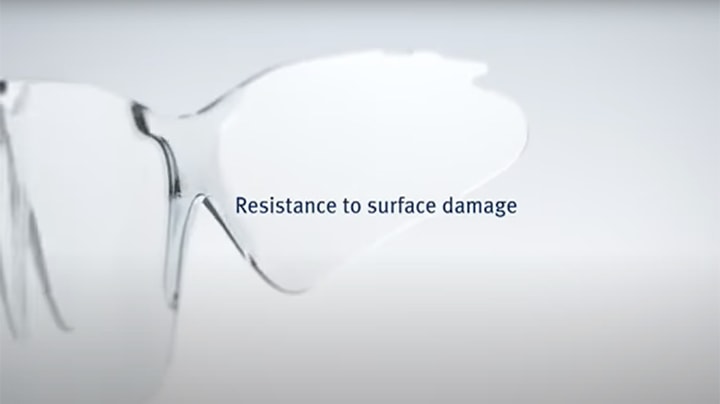
Uvex Safety Eyewear Scratch Resistant Demo
GARANT hearing protection and eye protection

// SELECTION AID

Safety goggles

Safety glasses with side arms

Safety glasses with side arms

WELDER’S GOGGLES

Safety goggles

Safety glasses with side arms

Prescription safety glasses

WELDER’S GOGGLES

Safety goggles

Prescription safety glasses

Prescription safety glasses

WELDER’S GOGGLES

You are currently viewing a placeholder content from Default. To access the actual content, click the button below. Please note that doing so will share data with third-party providers.

More Information
// SERVICES

Correction safety glasses

Prescription safety glasses can be individually adapted to the wearer’s vision and thus offer the best possible protection in the workplace. The investment has long-term benefits: you can wear the prescription safety glasses all the time, which increases occupational safety. In addition, the quality of your work is likely to be better than when wearing prescription glasses and over-specs, as these could fog up or cause additional hazards due to possible reflections.

// Norms and standards

European standards for safety glasses

In Europe, safety glasses, like all other items of personal protective equipment, are subject to the PPE Regulation 2016/425. The central standard in the field of safety glasses is EN 166. It stipulates all general requirements for personal eye protection; for example, areas of use, standards references, types of eye protection, general terminology definitions, correct labelling, etc.

  • Additional EN and EN ISO standards apply to eyesight depending on the field of application of the work safety glasses
    EN 168: Non-optical test methods. The following additional standards may apply depending on the type of filter: EN 169: Filters for welding work EN 170 + EN 1836: Ultra-violet protective filters EN 171: Infra-red protective filters EN 172: Solar protection for commercial applications

EN 167: Optical test methods

EN 168: Non-optical test methods.

The following additional standards may apply depending on the type of filter:

EN 169: Filters for welding work

EN 170 + EN 1836: Ultra-violet protective filters

EN 171: Infra-red protective filters

EN 172: Solar protection for commercial applications